
Smart Choices in Nutrition & Body Composition

Scientific Explanations of Everyday Food Decisions

Thoughtfully arranged nutritious meal

Cognitive Factors in Food Choice

Understanding how your brain makes food decisions is fundamental to nutrition science. Every day, we process countless stimuli that influence what we eat. From visual appeal to portion perception, our cognitive systems work constantly to evaluate food selections. Research in nutritional psychology reveals that decision-making processes involve complex interactions between sensory perception, past experiences, and environmental cues. This section explores how information processing shapes everyday nutritional choices without prescribing specific behaviors.

Explore this concept further


Organized food selection and planning

Nutrient Density Perception

Nutrient density refers to the concentration of essential nutrients relative to caloric content in food. How do people perceive and evaluate this density? The answer involves both biochemical facts and psychological assessment. Research demonstrates that individuals employ various heuristics when determining food value. Some rely on visual cues, others on prior knowledge. The science reveals that nutrient-dense foods trigger different evaluative responses compared to less nutrient-dense options. Understanding these neutral mechanisms clarifies how people naturally assess their nutritional selections in everyday contexts.

Dive into the science

Visual Cues & Portion Estimation

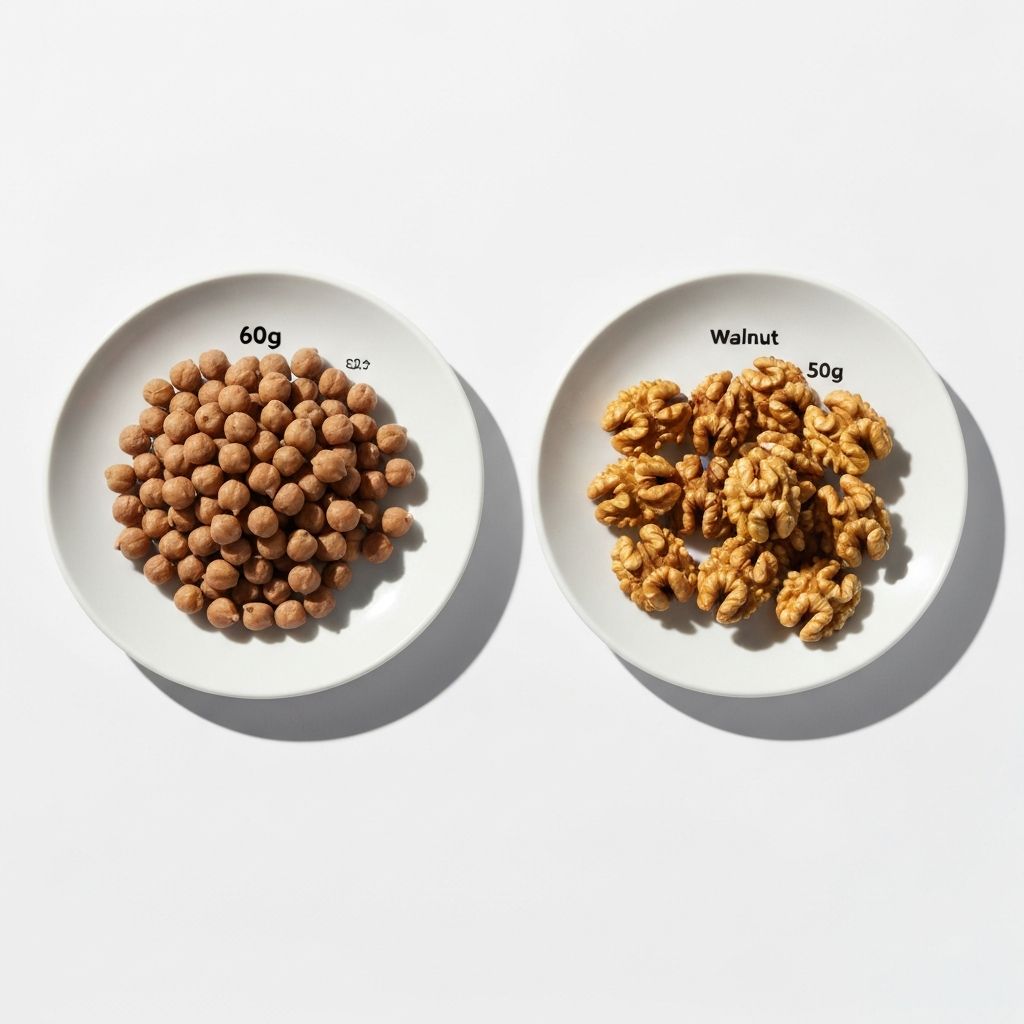
Human brains estimate portion sizes using visual information processed almost instantaneously. Plate size, serving utensils, and plating arrangement all influence perception. When food is measured and presented clearly, people develop accurate mental representations of quantity. Research in sensory science shows that visual cues affect how individuals naturally gauge portions. Some visual presentations emphasize abundance while others convey precision. This section presents factual evidence about how visual information shapes portion perception without guiding specific decisions.

Continue with the full article
Measured food portions with measurement tools

Featured Choice Insights

Collection of nutritious food selections
Food selection decision making

Cognitive Processes

How decision-making works in everyday food selection contexts.

Read the detailed scientific explanation
Nutrient-dense food comparison

Nutrient Density

Understanding perceived value in nutritional selections.

View related smart insights
Portion estimation visual cues

Visual Perception

How visual information influences intake estimation.

Explore further
Reward system in food selection

Reward Valuation

How reward systems influence nutritional choices.

Learn more
Environmental food decision factors

Environmental Context

Exploring factors that shape food decision pathways.

Read the full piece
Myth clarification in nutrition

Common Misconceptions

Evidence-based clarification of widespread beliefs.

Dive deeper

Reward Systems in Nutritional Selection

Food selections are evaluated through reward pathways in the nervous system. Taste, aroma, texture, and visual presentation activate these systems differentially. Understanding reward valuation explains why individuals naturally prefer certain foods over others. The physiological basis involves neurotransmitter systems that assign relative value to different options. Some foods engage multiple reward pathways simultaneously, while others engage narrower ones. This section describes these neutral mechanisms without implying any particular dietary approach.

Explore this concept further

Environmental Influences on Decisions

The food environment shapes decision pathways through multiple channels. Availability, accessibility, pricing, and marketing all create contextual frameworks that influence selections. Culture, family patterns, and social contexts add additional layers. Research documents that environmental factors explain significant variation in food choices across populations. These influences operate largely outside conscious awareness. Understanding environmental mechanisms provides context for evaluating how and why different individuals make different selections without prescribing superior approaches.

Continue with the full article
Modern organized food environment

Common Choice-Related Myths

Myth 1: Simple Foods Always Mean Better Choices

Evidence shows that food complexity and choice quality are independent variables. Single-ingredient foods can be suboptimal while prepared foods offer balanced nutrition.

Myth 2: Portion Size Perception is Universal

Research reveals significant individual variation in how people estimate portions visually. Cultural background, experience, and presentation dramatically affect perception.

Myth 3: All People Use Identical Decision Criteria

Studies demonstrate that individuals employ vastly different heuristics when evaluating foods. Some prioritize taste, others convenience, others specific nutrient profiles.

Read complete evidence clarifications

Decision Pathway Insights

Food decisions emerge from identifiable cognitive and physiological pathways. These pathways involve recognition of available options, evaluation based on multiple criteria, and selection. Individual differences in how these pathways operate explain diversity in food choices. Genetic factors, past experiences, and current context all contribute. Understanding these pathways provides neutral explanations for observed behavior patterns.

View related smart insights
Decision pathway visualization

Frequently Asked Questions

How do cognitive factors influence food selection? +

Cognitive factors operate through multiple pathways. Information processing systems evaluate available options against stored preferences and current context. Attention allocation determines which stimuli receive processing resources. Memory systems retrieve past experiences with similar choices. Decision-making frameworks integrate this information to generate selections. These processes operate largely automatically but can become conscious when options are novel or consequential.

What is nutrient density and why does it matter? +

Nutrient density describes the concentration of essential micronutrients and macronutrients relative to caloric content. Foods high in nutrient density provide substantial nutritional value per unit calorie. The concept matters because it provides objective criteria for comparing foods. Different individuals may prioritize nutrient density differently depending on their specific contexts and needs. The science clarifies what nutrient density means without prescribing its importance to any particular person.

How do visual cues affect portion perception? +

Visual cues influence portion perception through several mechanisms. Plate size creates contrast that makes portions appear larger or smaller. Color contrast between food and plate affects perceived quantity. Height and arrangement in three-dimensional space alter judgments. Serving utensil size provides reference points. Research shows these effects operate automatically without conscious deliberation. Understanding these mechanisms clarifies how presentation naturally shapes perception.

Do environmental factors determine food choices? +

Environmental factors significantly influence food choices but do not determine them entirely. Availability affects what options are considered. Accessibility influences decision costs. Pricing shapes valuations. Marketing provides information. Social context establishes norms. However, individual preferences, genetics, and past experiences create variation in how strongly each factor influences any particular person. Understanding environmental influences provides context without implying they override individual autonomy.

What are reward systems and how do they function? +

Reward systems in the nervous system assign value to different stimuli including foods. Taste receptors provide sensory input that activates these systems. Aroma, texture, visual appearance, and anticipated effects all contribute. The systems operate through neurotransmitter mechanisms that have evolutionary origins. Different individuals have different reward sensitivities based on genetics and experience. Understanding these mechanisms clarifies naturally occurring variation in food preference.

How much of food choice is conscious versus automatic? +

Research indicates that most food decisions operate automatically based on habit, environmental cues, and quick emotional evaluations. Conscious deliberation occurs primarily when options are novel, when stakes feel high, or when explicit constraints apply. This automatic processing evolved because it allows efficient navigation of recurring situations. Understanding the automatic-conscious balance explains why people sometimes struggle to alter established patterns even when consciously motivated to do so.

Information Disclaimer

Educational content only. No promises of outcomes.

SmartChoicePath provides informational content about nutrition science, food decision-making, and body composition. This site delivers general educational information and should not be interpreted as personalised advice or recommendations for any individual.

Food choices and nutritional approaches vary widely across individuals based on personal circumstances, preferences, health status, and goals. The information presented describes general scientific principles and research findings without implying that any particular approach suits any specific person.

Visitors should consult with qualified healthcare and nutrition professionals before making significant changes to their dietary patterns or approaching health decisions. For comprehensive support tailored to individual circumstances, professional consultation remains essential.

Explore More Insights

Discover comprehensive explanations of nutrition decision science and physiological processes.

View All Insights Get in Touch